

I’d read 100 Years of Solitude about 30 years ago and was absolutely flabbergasted by it. Immediately one of my life goals became “get your Spanish into adequate shape to read more Garcia Marquez but in the original language.” I managed to have some conversations with locals in Spanish on a couple trips to Colombia, but alas never got my skills up to reading novels.
So I caved in and read Love in the Time of Cholera in English. I was a bit concerned with the high bar set by the other novel that this would disappoint–quite the contrary. I think it’s superior. Where 100 Years is a bit of a “loose, baggy monster,” Cholera is fit and trim. The magical realism is dialed down substantially but not the magic of the description, characters, settings…such a dense and humid world to inhabit for too short a time. A rich, sweaty, mournfully sexy book. It truly captures the decayed glamor of old South American colonial cities and the rich mix of cultures and classes. Exquisite!
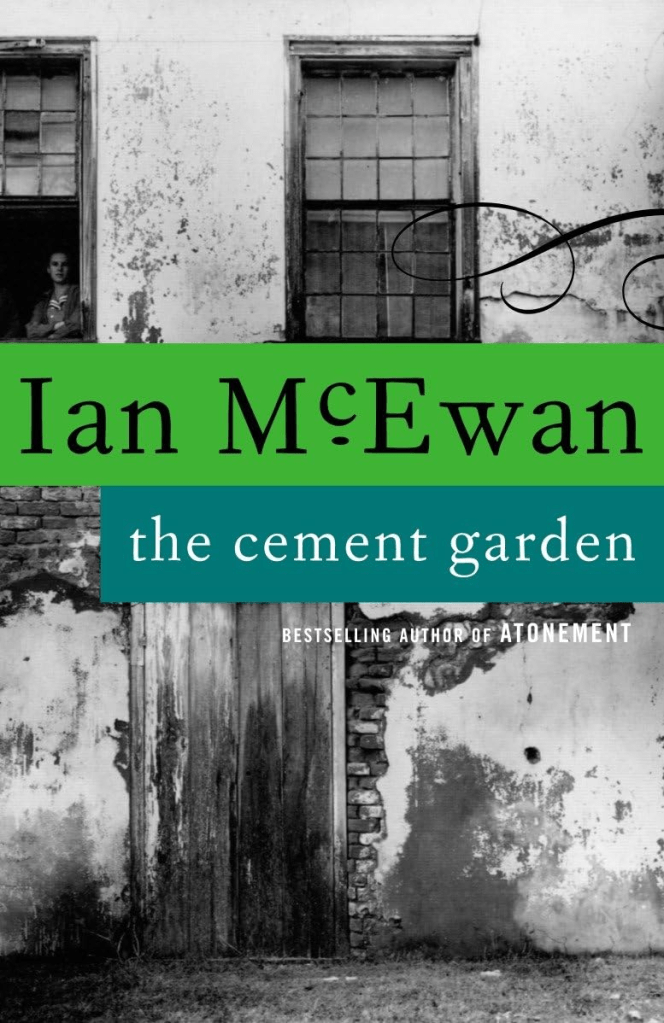
Aw, it’s nice to revisit those care free days of childhood–distant, aloof parents, perverse games, pointless wasted hours at school, the challenge of disposing of corpses…
Not sure how to categorize this one. A bit of Shirley Jackson’s We Have Always Lived in the Castle, a bit of Poe’s Fall of the House of Usher, a bit of 90s pornography.
Four siblings are left alone in a strange castle-like house in the midst of an abandoned urban tower block development when their parents die in quick succession. Instead of the lush natural setting of Eden (or the isle from Lord of the Flies) they inhabit an unnatural cement garden, where only stinging nettles force their way up through cracked concrete to bake in the sun. Without the internet or even TV there is not much to do except go feral.
McKewan can write, and this short gloomfest is arresting and disturbing in equal measure. It probably says something about me to admit that I found it somewhat humorous, the way Rober Coover’s story The Babysitter is humorous. Kids left to their own devices act like adults–and are equally fucked up.
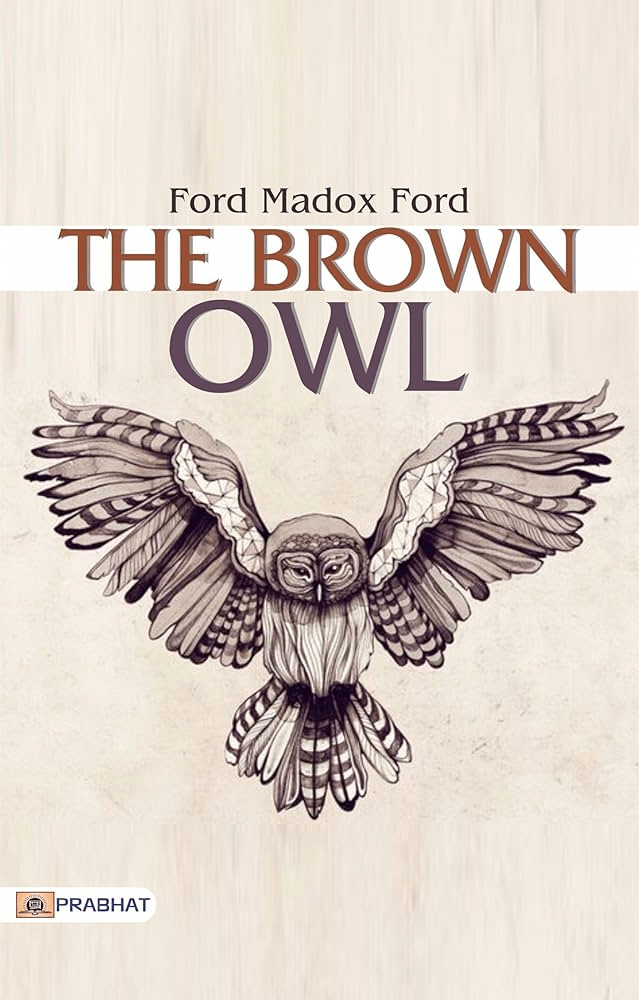
I recently read an article in the NY Review of Books about Ford Madox Ford. Had previously only read The Good Soldier, which is astonishingly good. Thought I should perhaps tackle another of his, but didn’t feel quite up to Parade’s End, which has sat its fat self on my shelves since 1994 without being opened.
So I decided to search the author’s name and pick up whatever book the owlgorithms first suggested. Owltimately it was The Brown Owl, which proved an entertaining little owlegory. Though written for kids it has a sophistication and wit about it which owlevates the book above mere “young adult” fiction.
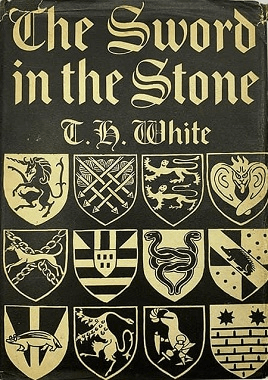
Read earlier this year an analysis of the Arthurian myths by Emma Jung and Marie Louise von Franz, followed in short order by H is for Hawk. H is for Hawk is a memoir of dealing with the death of a parent while training a hawk and reading T H White’s memoir about training a hawk. All of this brought me round to the realization that I’d never read White’s Once and Future King novels. So I started with The Sword in the Stone. Didn’t much like it. Merlin is too ridiculous, the story is too silly, everything is far too cute. I can see why Disney made a film out it, because it’s tailor made for them.

Despite not enjoying the first volume, I plowed ahead into volume 2 of The Once and Future King. Didn’t like this one even less. Guess I’m too old. I prefer dour, profound old Tolkien to this stuff.
 Mysterium Coniunctionis