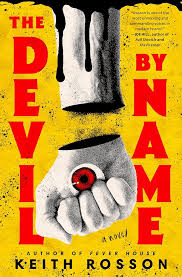
It was just over a year ago that I read Rosson’s Fever House. I really enjoyed that novel and the way it reformatted the familiar zombie apocalypse trope.
I’m sad to report however that volume 2 of the duology is less satisfying. The Devil by Name mostly moves characters around in order to get them in the right place at the right time for the climax. And the climax is sort of Clive Barker rewriting The Stand. Lots of gothic horror and special effects, but a bit rote and too tidy a means of tying up multiple loose ends.
If you read the Game of Thrones novels, you may recall that the fifth novel felt as though Mr. Martin had lost the plot, and was sort of moving an enormous cast of characters around aimlessly as he tried to figure out how to resolve the enormous series of events he’d unfolded, while introducing new characters, cultures, and armies along the way. I think a lack of resolution is in some cases better, and Fever House could have stood alone.
That said, I will read more of Keith Rosson. He’s got skills, and won the Shirley Jackson award for a short fiction collection which sounds right up my alley.
It’s autumn and a young man’s fancy turns to…well I’m too old to remember what young men fancy at any time of year. But I fancy reading horror and ghost stories as Halloween looms.
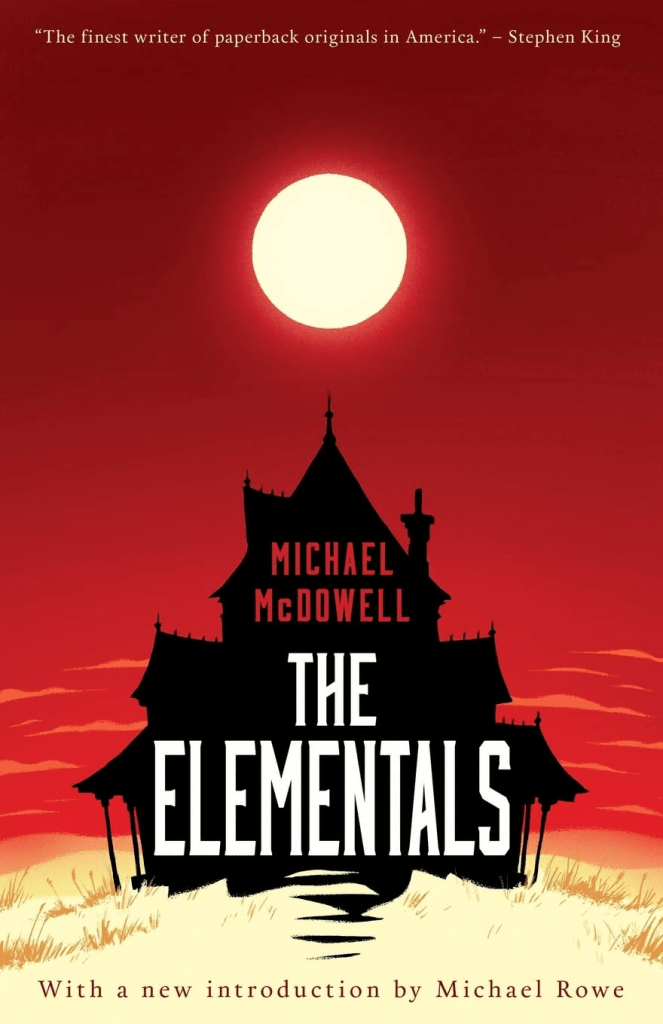
The Elementals is surprisingly well-crafted for an early ’80s mass market horror novel. It’s got a Southern Gothic flair, and without its supernatural elements the book could have succeeded as pop fiction with a literary bent. The families portrayed are Faulknerian, and the individual characters are Flannery O’Connor cute with their humorous quirks and tragic blindnesses. The setting is vivid and swampy and humid, rendered with evocative and stylish description.
The horror however is a bit silly, and didn’t ring true. I prefer subtlety with my haunts and spirits, and the chills here are far too garish and carnivalesque. It’s annoying to see well-rounded and sympathetic characters who do obviously stupid and pointless things contrary to who they are when faced with a crisis. And there is no suspension of disbelief possible with this sort of cartoonish creature. Using a scale likely familiar to those who know Stephen King novels, I’d rate The Elementals as closer in quality to The Tommyknockers than it is to The Dead Zone. But I must also note that McDowell’s prose is superior to King’s.
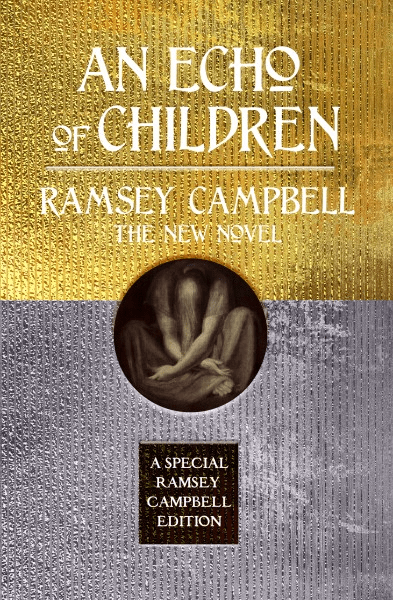
An Echo of Children has similarites with The Elementals, though they were written 45 years apart. Ramsey Campbell’s latest is also primarily a novel about a family in crisis, and its one of his best from the past two decades. Campbell is a personal favorite of mine, but many of the novels from the second half of his career have been interesting failures. I found this one compellkng enough to read nearly straight through.
Allan and Coral Clarendon move with their young son Dean from a crime-ridden neighborhood into a brand new house near the shore. Once they are installed in the new place, both sets of Dean’s grandparents arrive to visit for a weekend. Allan’s parents Jude and Thom note that Dean’s creativity and freedom is severely constrained in ways they find objectionable as parents and former teachers. Dean has an “imaginary” friend called Heady who promises to protect Dean from harm. All four grandparents are charmed by Dean and his friend until Jude and Thom experience Heady’s presence first-hand.
After a few interections with neighbors, a memory Thom has repressed returns, leading Jude to do some internet research. What Jude finds out about the neighborhood’s history, and in particular about Allan and Coral’s house, convinces her that Dean is in immediate danger. There is evidence that Carol and Allan are perhaps doing more than limiting Dean’s potential with helicopter parenting, and have strayed into psychological and physical abuse. They have pulled him from school and begin indoctrinating him with a dour form of Christianity which they’d never followed before. Jude commits herself to rescuing her young grandson, but is what she’s uncovered the truth? Or is her paranoid imagination coupled with senility the source of the horror?
Campbell is a fine writer and perhaps the greatest prose stylist in modern horror. He has the skills to keep the reader on edge as Jude’s potential unreliability competes with the possibility of an actual haunting in the reader’s mind. This one was more to my taste.
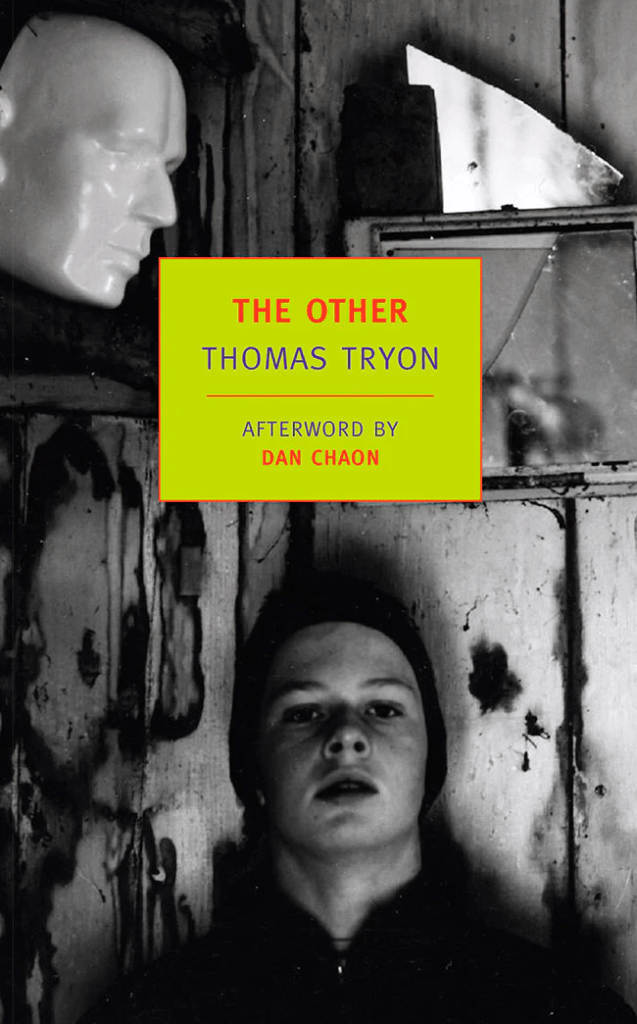
I’d thought as a long-time fan of horror that I was at least aware of all the classics of the genre. Until a few months ago I’d never heard of Thomas Tryon’s The Other, and what I read about it intrigued me sufficiently that when I was able to score a digital version for under 2 bucks I jumped at the chance. The novel was quite an unpleasant surprise.
There’s something particularly disturbing about a child who is pure evil. And when it’s a twin the creepiness is dialed up a few notches.
Niles and Holland Perry lead a bucolic life on a rural estate in New England. They play together and put on dramatic shows and do magic tricks. There’s something off about Holland however; he is more than mischievous, and his behavior descends from adolescent rabble-rousing to cruel and reprehensible acts. Their grandmother Ada is a Russian immigrant who fled the Bolsheviks. She tells them folk tales and bits of family lore from the old country–and introduces them to The Game, which is a sort of hypnotic regression wherein the observer becomes entangled mystically with the observed. Needless to say, The Game comes to have dire consequences for the boys.
Tryon has skills. He writes elegant and sophisticated prose. I’d place him based on this one novel right up with Shirley Jackson and M. R. James as a writer of literary merit beyond genre category. The structure of the novel has a few layers of narrative, and it took a bit of sussing out to realize the clever and unreliable games Tryon was playing. Very Turn of the Screw trickiness afoot here.
But despite its merits as a work of literature, this is still a horror novel, and it delivers the goods. I didn’t see The Twist until it came, which was a great surprise, and I was floored by the utterly appalling climax.
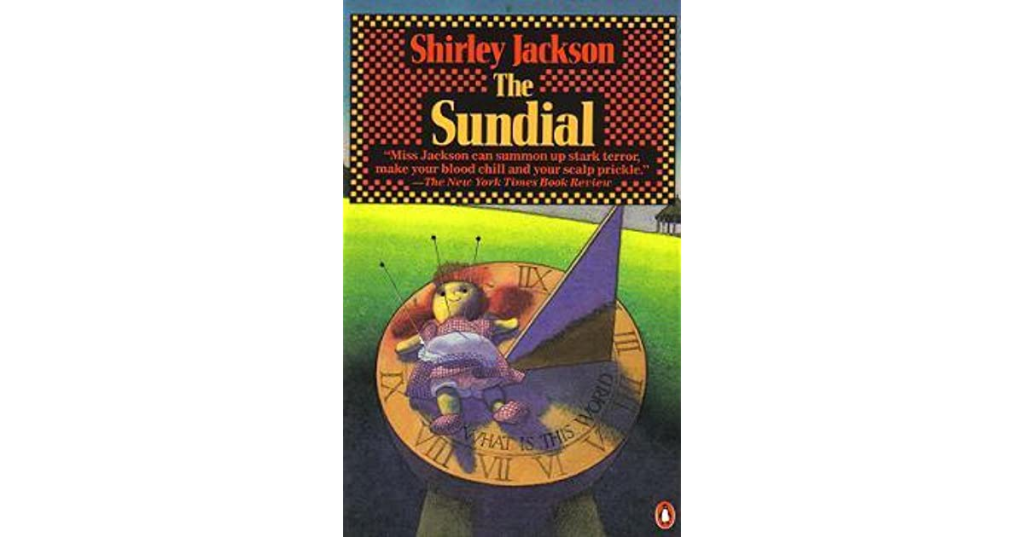
Shirley Jackson has the distinction of having written the novel I’ve re-read the most. As of last January I’ve read The Haunting of Hill House seven times. I’ve also read many of her short stories and the lovely and mysterious novel We Have Always Lived in the Castle as well. But for some reason my 1990s paperback re-issue of The Sundial sat on several shelves in several houses for a few decades before I got around to it this week.
I suppose I needed to wait until the collapse of civilization in order to fully appreciate the book. We’ve had several near collapses since I purchased The Sundial–Y2K, the end of the Mayan Calendar, various planetary alignments, wars, pestilences, George W. Bush elected twice–but something about recent events conjures more serious reflection on the End Times than all those others.
The Sundial is focused on the coming End of the World–or, more exactly, how people respond when they genuinely believe the End is nigh. The setting is a genteel massive manse in a New England town, built a generation previously by some fabulously wealthy businessman and currently inhabited by his two children and his grandson’s widow and daughter. The children are Mr. Halloran, confined to a wheelchair and in evident decline, and his sister Aunt Fanny. Mr. Halloran’s wife is still around as well, and is suspected by the grandson’s widow and granddaughter of having murdered his son by pushing him down the stairs in order to secure her own inheritance of the house.
Aunt Fanny one early morning takes a walk around the gardens she’s known since childhood, becoming somehow lost and suffering a potent vision of her father telling her the end is nigh, but that those inside his house will be saved to repopulate the Earth. What ensues is pure hilarity. Fanny shares her vision and somehow it becomes doctrine with all those trapped inside. They will be Robinson Crusoes and Noahs and Adams and Eves, left stranded to rebuild and repopulate.
As in every Jackson novel the characters are all delightfully awful and are skewered by her sharp sensibilities. The dialogue is funnier and better and more sophisticated than anything in Dorothy Parker, the wit makes Evelyn Waugh seem amateurish, and Dickens himself would have been awed by Jackson’s ability to lampoon class differences so efficiently. What took him 5 or 6 hundred pages takes her much less than 3.
I note that as we pass from Pisces and into Aquarius that the old gods have all lined up to watch our current collapse. The Planet Parade of late February/early March this year showed them all coming back to witness our decline once again into rebirth and renewal, just as the change from Aries to Pisces saw the cratering of all the great Mediterranean civilizations and the birth of new orders. In Jackson’s novel the end doesn’t matter so much as the way people behave anticipating it. And just as she predicted, they behave shamelessly and hilariously so–Buckle up, folks!
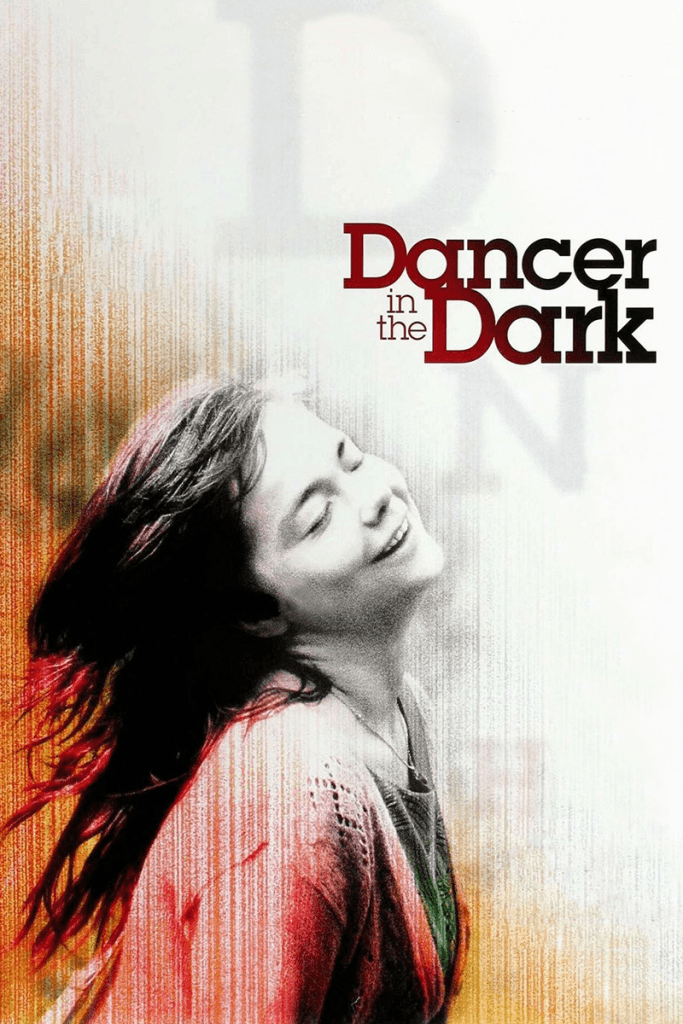
I’ve seen a few films by Lars von Trier, so had an idea what to expect. But Dancer in the Dark nonetheless snuck up on me.
It’s at the beginning a very sweet and melancholy story. Selma is an immigrant from the Eastern Block living in small-town 1950s America. She works full time in a factory and does other odd jobs to scrape by. She lives with her son in a trailer which she rents from a local police officer. The cop and his wife help her with her son while she is at work. Other people in town also care for and help Selma, including Catherine Deneuve.
Selma is dreamy and ethereal and is perfectly embodied by Björk who of course has some experience with those qualities. At the factory Selma gets in trouble because she gets distracted running an expensive and dangerous machine. Her distraction? Sounds in the factory result in a musical dance sequence in her head. Dancer in the Dark is a musical, and we see several of these sequences as the plot unfolds.
But this is a Lars von Trier film, so when the twisted and horrible occurs I was not surprised, but I had been lulled into a sort of fuzzy torpor by Björk’s magic. The turn at the core of the film took me unawares.
I’ll say no more lest I ruin it for you. I found the film wrenching and beautiful. My wife seemed mostly annoyed by it. It certainly differs in tone and mood from most musicals and sets out to subvert the genre. Selma, who is a huge fan of musicals, even says at one point something about musicals neve allowing terrible things to happen. But this is von Trier…if you like his stuff or if you are a fan of Björk this might be for you.
Back when television was beamed on signals through the air we could only receive perhaps five or six channels in my hometown of Stewartstown, Pennsylvania. The clearest channels were those from Baltimore 30 miles away and were nearly all VHF stations. The UHF dial had a few grainy and fuzzy and far-off stations, the clearest of which was channel 17, WPHL-TV out of Philadelphia. I had many opportunities as a very small child to watch Dr. Shock’s Mad Theater.
The movies shown were mostly terrible 1950s drive-in horror fare, with nuclear monsters attacking towns, guys in rubber suits menacing bikini-clad young women, skulls floating along on visible wires and screaming. But they were a pleasant diversion from the more actual horrors of small-town life in the 1970s. And some of the films actually had merit and stuck with me. A few examples: The Incredible Shrinking Man and his awful battle with a spider, Invasion of the Body Snatchers, and The Fly with Vincent Price.
I remember going to see David Cronenberg’s remake of The Fly in a theater when it was first released. I enjoyed it so much that I rented other Cronenberg films on VHS at the local video stores. Interestingly at the dawning of my interest in cinema David Cronenberg was perhaps the genesis of my understanding that there were auteurs, visionary and stylistically interesting directors who made challenging, beautiful, disturbing, and instantly recognizable works of art.
I recently rewatched The Fly on a whim for the first time in 40 years. Of course I’ve seen many more movies and films since 1986, including those rated as the height of the art form. My tastes have tended to drift away from the horror genre, with a few exceptions. But The Fly holds up as entertainment. I think most 80s films are terrible, and people only continue to love them because of nostalgia, and when they revisit them they can’t help but reinhabit their 14 or 15 year old selves experiencing them for the first time. But The Fly has merit in the genre of prophetic sci-fi horror–be careful about your ambitions to unlock knowledge or create new technologies!
Jeff Goldblum is exceptional in his role as a sexy nerd, and still manages to charm after his transformation into a guy in a rubber suit menacing a beautiful lady. Geena Davis is great also, and the chemistry between these two actors really propels the film. John Getz is perfect as the sleazy ex-boyfriend who can’t take a hint. The look of the film remains crisp and slick, and is a precursor to the stylistic flair Cronenberg will develop in later gorgeously shot films like Dead Ringers, Naked Lunch, A Dangerous Method, Existenz, Eastern Promises, etc.
The Fly of course references many previous classic films, primarily Frankenstein, but also The Hunchback of Notre Dame, The Invisible Man, Dr. Jeckyl and Mr. Hyde, etc. Films where the heroes are monsters but are also all-too-human. One detail I’d missed previously occurs when the protagonists have their first overnight dalliance after Goldblum’s initial transformation. Geena Davis is asleep with her hair on the pillow and it is piled up in a column exactly like the hairdo on the Bride of Frankenstein. Made me chuckle.
Surprisingly the special effects hold up well. The computer used to power the teleportation device is likely a Commodore 64 encased in a giant metal box, but it still somehow looks futuristic, and the voice recognition to unlock its programs is a nice prophetic touch.
I’d recommend it if this is anywhere near your field of interest, and would recommend Cronenberg’s stuff to anyone interested in cinema as an art form. He’s worth exploring but the body horror is of course not always easy to endure. The Fly is perhaps my second favorite 80s horror remake–the premier example is of course is John Carpenter’s truly astonishing and completely nihilistic remake of The Thing, which is 1000 times better than E.T. the Extraterrestrial, which totally annhilated it at the box office, but which I now find unwatchable.
Back before Halloween I bumped into a list of recommended recent horror–probably on the NYTimes website. Of the 7 or 8 titles listed I chose a couple to add to my To Read pile.
The first I read from the list was barely OK. Too derivative of a Stephen King novel, and too many clichés from current horror movies (unnatural smiling, kids crawling on the ceiling, animals behaving strangely like humans–yawn). The writing lacked King’s folksy warmth and humor as well, and was more like Tom Clancy’s stiff and uninteresting prose. The characters were not atypical of genre fiction–types rather than people, and the dialogue reminded me of the old Superfriends cartoons popular when I was a kid, where the superheroes would explain what they were doing while doing it as if the audience were too stupid to see what was happening (example: Aquaman would have circles shooting out of his forehead and would intone “I’m using my powers to summon fish friends,” and Superman would have red beams coming out of his eyes while saying “I’m using my infrared heat vision to burn the villain’s shoes off.”). I read Mean Spirited on a flight from Paris to the US and it whiled away the time, but I prefer more profound fare. The ending had an unexpected twist which nearly made it worth getting through.
But the second I read from the list was a knock-out. I’ve seen many zombie films, and have been an enthusiastic fan of the genre since I fist saw Romero’s initial trilogy back in the day. What I like about zombie stuff is how the genre moved from its racist origins to really incisive and often quite witty social commentary.
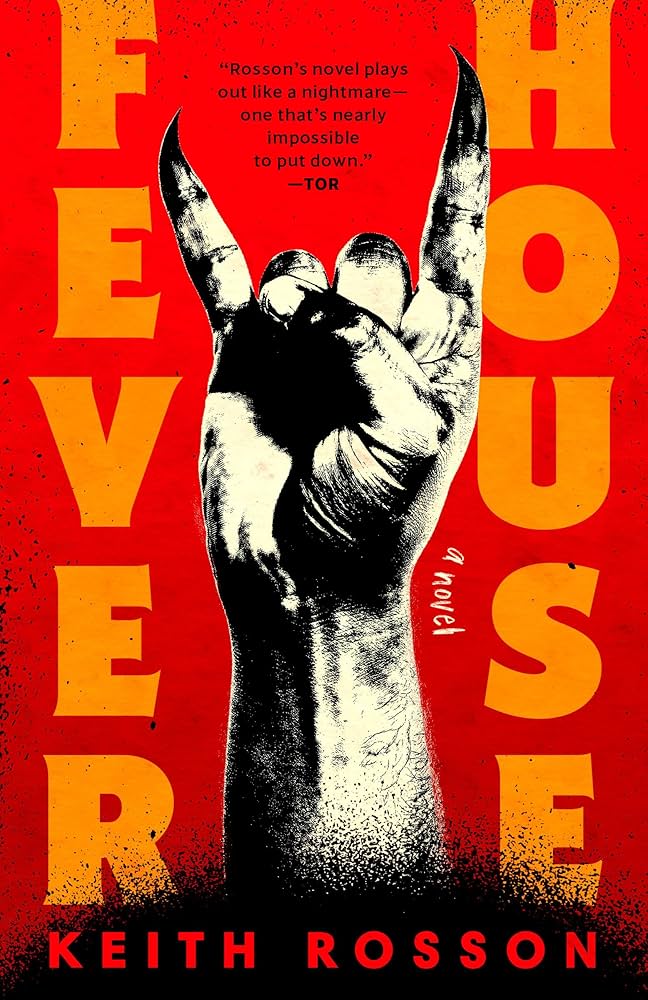
Fever House is the first zombie novel I’ve read–and it is excellent. There are actual fleshed-out and fully developed human beings involved, and I was on the edge of my seat as the familiar tropes of the zombie apocalypse were delivered with a new and clever backstory. I’d love to go into detail about the novel’s critiques of the hypercapitalist USA and its intelligence apparatus and the military industrial complex, but inevitably I would spoil the experience of finding out for yourself.
Rosson can write–which is atypical of authors in modern horror. Ramsey Campbell is by far the most literary and stylish current writer in the genre, but Rosson can craft sentences and structure a novel at an exceptionally high level. This book is a Slayer album redone as literary fiction. I burned through it in a day and half, and now must give myself a break from the walking dead before jumping into the second volume of the duology.
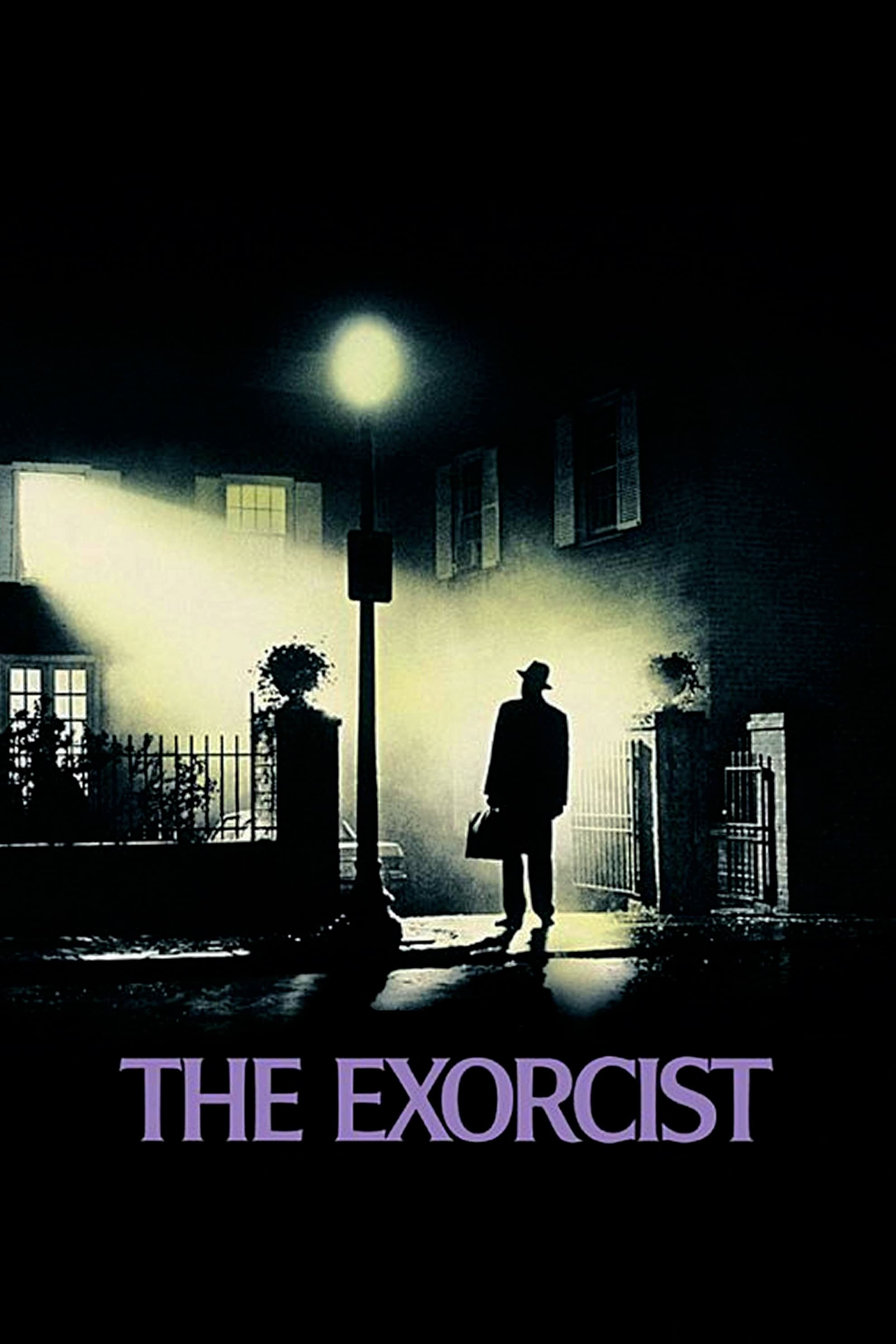
Recently I saw that Amazon in France was selling The Exorcist for 2.99 euros. I’d not seen it for decades, and wanted to see how it held up. Also, the numerous times I’d watched it previously were on US television, heavily edited and pan-and scanned to fit the square TV screens at that time. I thought it would be fun to revisit.
I was absolutely horrified and disgusted and terrified! What a searing, potent film. Yes, some of the effects are a bit wobbly in our age of perfect CGI, but oh my god this is highly effective horror. I literally could not bear it.
On broadcast television I used to be bored by all the medical scenes and the initial consultations with the priest, etc. But re-watching now as an adult in a pristine high-quality stream on a large television I was totally absorbed.
I’d say that it’s in my top three horror films of all time, easily. I’ve read the novel and know the “true” case upon which the story is based, had seen edited versions likely a dozen times–but still I found the tension and the tragedy of the film difficult to endure. I love the hard-drinking, cigarette-smoking priests, and of course Max von Sydow was a force of nature in everything he ever did.
Interesting to notice how much influence The Exorcist had on other movies–particularly there are several scenes or shots completely ripped off by Spielburg/Lucas in Raiders of the Lost Ark. That initial sequence introducing Father Merrin in the desert is re-used substantially to build Indiana Jones’s character.
Funny a couple days after watching The Exorcist to receive in the mail the current issue of Harper’s Magazine. The cover story is about a surge in exorcisms performed in the USA of late. Old Scratch is busy as ever possessing the economically dispossessed in Appalachia.
I should also note that the previous owner of our building in France had an exorcism performed to clear away a malevolent female spirit he encountered several times, including one instance where he was physically attacked. I asked him what the ceremony entailed, and he said “love and forgiveness and total acceptance of the entity.”
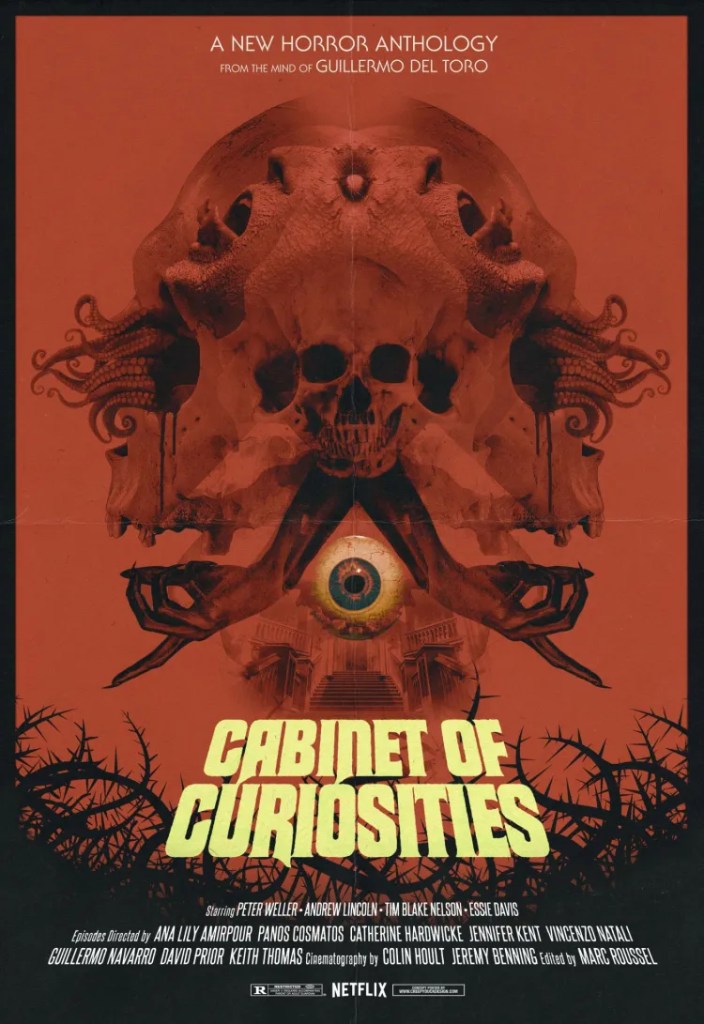
When I heard that Guillermo del Toro was producing a horror anthology for Netflix, I was intrigued and hopeful. He’s done some marvelous things, and some OK things–and typically even the not-so-exciting things he’s done are interesting and visually impressive.
I’m not one who typically binges streaming series, because I prefer to absorb an episode before adding another, but I watched 8 episodes of Cabinet of Curiosities in 6 days, which indicates an atypical level of excitement and appreciation.
Not all of the episodes are of the same quality or even really of the same genre–“horror” encapsulates many sub-genres, of course. The first episode is a typical Twilight Zone/Outer Limits morality play, featuring a monstrous protagonist whom karma appropriately dooms. But “Lot 36” is well-acted and well-produced and sets the tone for the series. It was certainly amusing to see Tim Blake Nelson play a villain.
Episode 2 “Graveyard Rats” is more of a cartoonish Evil Dead 2 goofy gore joyride which had my wife squirming and twisting on the couch as we watched together (she didn’t make it past this episode). This is gimmicky slapstick horror, red meat for the masses, but great fun.
The 3rd episode moves to a new level and differentiates del Toro’s series from previous televised anthology horror. You simply could not do what “The Autopsy” does on network TV, and even on most cable channels it would have been too much. I’ll not spoil it, but it’s as if X Files had hired Tom Savini to helm an episode, and F. Murray Abraham is legit in his role.
And then the art direction takes off into delightful and dazzling dimensions with episode 4. “The Outside” is Cronenberg body horror through the lens of early Tim Burton or Coen Bros. It’s hilarious, incisive social commentary, but also deeply disquieting and disgusting. At this point in the series I was sold that something new and profound for horror was happening.
Episode 5 takes H.P. Lovecraft source material and adds Crispin Glover. “Pickman’s Model” the story leaves a lot unsaid, and the re-write of the idea featured here fills in those ambiguities, but it is fantastically dark and there is none of the humor of previous episodes–this is gruesome, merciless cosmic horror. Again, the series reaches new heights and achieves a brutal, shocking finale.
Episode 6 “Dreams in the Witch-House” is another HPL story. I found it slightly less horrid than the previous, but still exceptionally well-crafted. It’s reminiscent of a John Carpenter film from the 70s or 80s (The Fog, for example).
I don’t know what to say about episode 7. “The Viewing” is simply beautiful, and viewing it is a pleasure all its own. There is a Solaris/Blade Runner sci-fi edge here, and the Boogie Nights feel and production quality is magical. I loved every second, and even when the plot falls thin the performances and the look of this episode again take the series to a new frontier. The ending is really only the beginning of the true horror.
The closing episode, “The Murmuring,” is simply beautiful. Mournful and elegiac, this is a classic haunting, where the spirits find a connection to the past experiences of a living protagonist and use her to their advantage. Other classic haunting films (The Shining, The Haunting, The Innocents) are referenced, but the atypical ending is unexpected and quite moving. The source material is a short story by del Toro, who also wrote “Graveyard Rats.”
If you are a fan of horror, whatever your sub-genre preferences, Cabinet of Curiosities has something for you. Prepare to have your spine tingled.

 Mysterium Coniunctionis